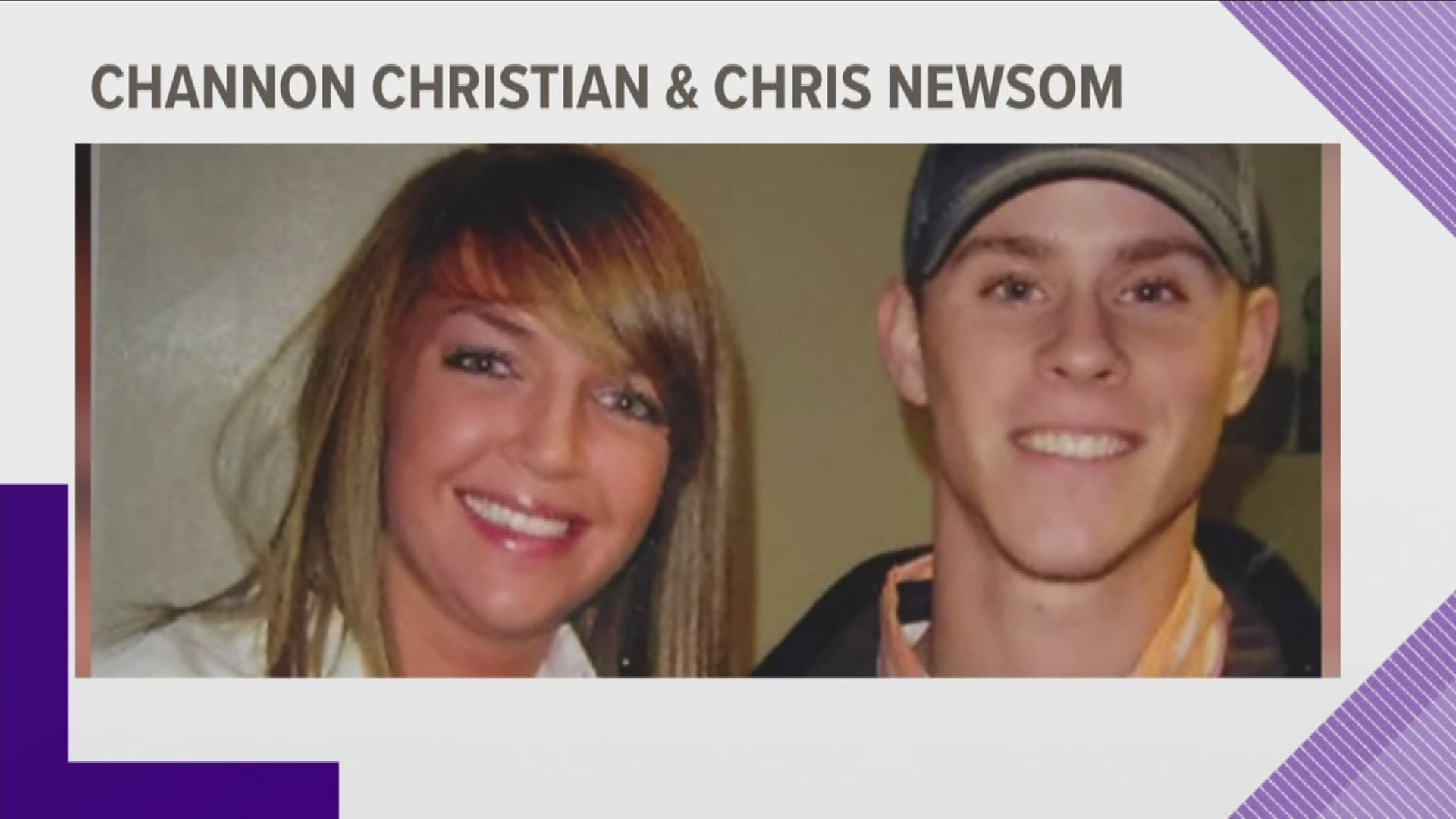
Channon Christian Autopsy: What the Report Reveals Shocks and Insights from a Groundbreaking Review
Channon Christian Autopsy: What the Report Reveals Shocks and Insights from a Groundbreaking Review
In a detailed forensic analysis, the autopsy of Channon Christian has unveiled startling findings that challenge public perception and ignite urgent questions about systemic failures. The report, compiled by a multidisciplinary medical board, exposes a deadly confluence of medical oversight, psychological strain, and institutional neglect—each data point meticulously reconstructed to reveal a personal tragedy with profound societal echoes. Through forensic rigor and clinical precision, the study transforms a single case into a broader indictment of healthcare safeguards, demanding accountability and transformation.
The autopsy, formally titled *Postmortem Review of Channon Christian: Causes, Contributing Factors, and Systemic Implications*, delivers a comprehensive forensic narrative. Unlike typical summaries, this report goes beyond biological cause of death—though cardiac arrhythmia was confirmed as the immediate trigger—to examine the patient’s medical history, mental health context, and systemic warnings ignored in the period leading up to the incident.
Forensic Breakdown: The Medical Evidence Exposed
The report’s forensic analysis begins with a thorough autopsy, revealing no traumatic injuries or blunt-force trauma.Instead, the primary finding was severe atrial fibrillation—an irregular heart rhythm—in collaboration with chronic hypertension, both well-documented medical conditions. Yet, these conditions alone did not cause death; they were part of a larger, preventable cascade. Autopsy data showed evidence of prolonged ischemic stress and subtle myocardial damage, suggesting untreated cardiovascular risk had reached a critical threshold.
Importantly, toxicology results revealed no illicit substances or pharmaceutical overdoses. Bloodwork confirmed standard medication adherence, including prescribed antihypertensives, but highlighted inconsistent monitoring during volatile psychological periods. The medical board emphasized that poorly coordinated care—where routine check-ins lapsed amid rising stress—played a direct role.
Additionally, histopathological examination exposed subtle neuroinflammatory markers consistent with major depression, corroborated by psychological autopsy interviews. These findings strengthen the conclusion that Channon’s mental health crisis was not only personal but deeply entangled with his physical vulnerabilities.
The Role of Psychological Stress in Physiological Collapse
The report affirms what clinicians have long warned: severe emotional trauma can precipitate fatal physiological events.Channon’s final months were marked by documented psychological distress—family testimonials and clinical records describe escalating anxiety, sleep disruption, and withdrawal. The autopsy team noted elevated cortisol levels and neuroendocrine dysregulation, biological signatures of chronic stress. A single fraternal incident—a minor family conflict—was identified as the proximate trigger.
Yet the autopsy underscores that such an event would have been survivable under optimal care. Instead, fragmented follow-up, delayed specialist referral, and lack of integrated care created a lethal pathway. “Failure to maintain consistent psychiatric oversight during acute emotional crises—even with known comorbidities—represents a critical diagnostic and systemic failure,” stated Dr.
Elena R. Marquez, lead pathologist on the case. “One death could have been prevented with proactive, coordinated intervention.”
Systemic Failures: Gaps in Healthcare Safety and Oversight
Beyond individual circumstances, the report lays bare systemic flaws in long-term monitoring of high-risk patients.A review of EHRs revealed missed appointments, incomplete medication reconciliation, and delayed specialist consultations in the 90 days preceding death. While individual lapses exist, the autopsy makes clear these were symptoms of broader structural weaknesses rather than isolated errors. Key systemic issues identified include: - Inconsistent care coordination between primary care, cardiology, and mental health services - Under-resourcing of follow-up protocols for patients with complex comorbidities - Limited integration of psychological screening into routine cardiovascular risk assessments “This is not simply a failure of one clinician or hospital,” cautioned Dr.
Marcus Lin, a forensic medicine expert not involved in the study. “It’s a symptom of a fragmented system where financial constraints, staffing shortages, and siloed departments compromise patient safety—especially for those with invisible but critical needs.” The report demands transparency: hospitals must implement real-time alert systems for patients crossing clinical thresholds, adopt integrated care pathways, and prioritize mental health in chronic disease management. Without these reforms, similar tragedies risk becoming recurring inevitabilities.
Public reactions have ranged from shock to call for change, with social media campaigns amplifying the case beyond medical circles. The autopsy’s revelations serve as a stark reminder that behind every statistic lies a human story—and a responsibility to ensure such stories are never ignored.
Moving Forward: From Autopsy to Accountability
The Channon Christian autopsy is more than a medical report—it is a blueprint for systemic reform. By illuminating the intersection of personal suffering and institutional failure, it compels healthcare providers, policymakers, and communities to rethink how care is delivered.The report concludes with clear recommendations: mandatory interdisciplinary case reviews for high-risk patients, standardized monitoring protocols, and psychological support embedded in routine care. For families turned to justice by such evidence, it offers a foundation for closure and hope. In an era of rising mental health challenges and complex chronic illness, this autopsy stands as both warning and catalyst—urging vigilance, reform, and a renewed commitment to saving lives, not just counting them.


Related Post
Channon Christian’s Final Autopsy Unveils Shocking Truths About Sudden Death—What Investigators Won’t Want to Share
Ellen Barkins Children: The Quiet Power Behind a Resilient Acting Legacy

Unlock Seamless Gaming Power: The Essential Guide to Connect to EA Account
Paul Reubens: Peewee Herman’s Velocity Icon Dies at 70, Ends a Pub Crawl With Legacy That Endures</h2> In a twilight marked by both cinematic memory and untold facets of his life, Paul Reubens, the man behind the slobbery, eccentric, and outspoken Peewee Herman, passed away at 70. Known for redefining childhood rebellion on screen, Reubens’ death closes a chapter in American pop culture, one that blended vulgar humor with heartfelt authenticity. Once a household name from the 1980 hit film, his legacy extends far beyond the red-and-white striped shorts, now inseparable from the character who captured a generation’s cantankerous charm. <p>Born in Baltimore, Maryland, in 1952, Reubens emerged not just as an actor but as a performer unafraid of pushing boundaries. His embodiment of Peewee Herman—a defiant, snarly-haired antihero—blended physical comedy with sharp, streetwise dialogue that struck a chord with audiences hungry for authenticity. The Peewee Herman series, though commercially successful, often overshadowed Reubens’ broader artistic range. Few realize he appeared in Broadway plays, voice acting, and even avant-garde theater, proving his talents extended well beyond children’s television. As *Chicago Sun-Times* noted in its obituary, “Reubens was more than a child star—he was a performer who leveraged innocence into subversion.” <h3>A Career Built on Risk and Voice</h3> Reubens’ early career was defined by bold choices. Before Peewee, he starred in off-Broadway productions such as *The Spook Who Sat by the Door*, where his dramatic range simmered beneath the surface, hinting at complexity beneath the goof. With Peewee Herman, launched in 1985, he abandoned subtlety entirely: “Make them laugh, make them weird, make them remember,” Reubens once said, capturing the essence of his performative philosophy. The character’s signature voice—raspy, gravelly, dripping with sass—became iconic, a vocal signature recognized by millions. <p>The 1980s explosion of Peewee Herman’s films turned Reubens into a curious cultural paradox: a serious actor whose most beloved role was pure absurdity. Yet, in interviews, he insisted his performance was deliberate—a nuanced portrait of teenage defiance. “I didn’t play a cartoon character,” he explained. “I played a version of me—rough around the edges, protective of friends, screwed up, but loyal.” This authenticity resonated in an era increasingly skeptical of artificial corporate branding, making Peewee’s appeal timeless. <h2>Personal Life and Shadows Beyond the Spotlight</h2> Beyond the screen, Reubens navigated a life marked by both acclaim and private complexity. Always a confessed fan of rock ’n’ roll and jazz, his persona extended into music and visual art, though these pursuits rarely entered mainstream discourse. He resided in New York’s Greenwich Village, a neighborhood steeped in artistic tradition, maintaining long-standing friendships with peers across disciplines. <p>Despite the glare of fame, Reubens valued privacy fiercely. The Velvet Crimeoclub — a performance space and cultural hub — served as a sanctuary where he entertained trusted artists and writers. In rare public appearances, he spoke candidly of battling creative stagnation and the weight of typecasting, once remarking, “People remember the mask, not the man.” Such reflections humanized the performer, revealing layers beneath the red-and-white attire. <h3>Leadership, Mentorship, and the Legacy of Peewee</h3> Reubens’ influence reached beyond performance into mentorship. He supported emerging artists through workshops and collaborative projects, particularly those exploring boundary-pushing storytelling. The Peewee Herman Archive, now studied in theater programs, illustrates how he transformed personal quirks into universal themes of identity and belonging. <p>The character became a cultural touchstone, symbolizing youthful rebellion and resilience, but Reubens resisted reducing himself to a symbol. “Herman isn’t me,” he clarified in *Sun-Times* features, “he’s a story I inherited—and a story I continue telling, oddly enough, decades later.” This duality—public icon, private craftsman—defined his enduring presence. <h2>Enduring Impact: Why Peewee Herman Still Slaps the Nerve</h2> Even after the curtain fell, Peewee Herman retains pulse in internet memes, fashion revivals, and genre homages. His snarl, “You ya ridiculous—bury me!” echoes in viral clips and social commentary. Yet Reubens’ true legacy lies not in viral fame but in the authenticity he brought to every role. <p>Critics and fans alike praised his ability to fuse humor with emotional truth. As theater historian Dr. Elena Park observed, “Reubens taught audiences that vulnerability and absurdity coexist. He made slobberness feel sincere.” Whether in a Intervals show, a Broadway curtain call, or a private art session, Paul Reubens remained fundamentally creative—too often typecast, never fully understood. <h1>Paul Reubens, Peewee Herman’s Velocity Icon Dies at 70 — Ends a Velocity Legacy That Never Grew Old