Florida Alabama Map: Uniting Two Vibrant States Across the Heart of the South
Florida Alabama Map: Uniting Two Vibrant States Across the Heart of the South
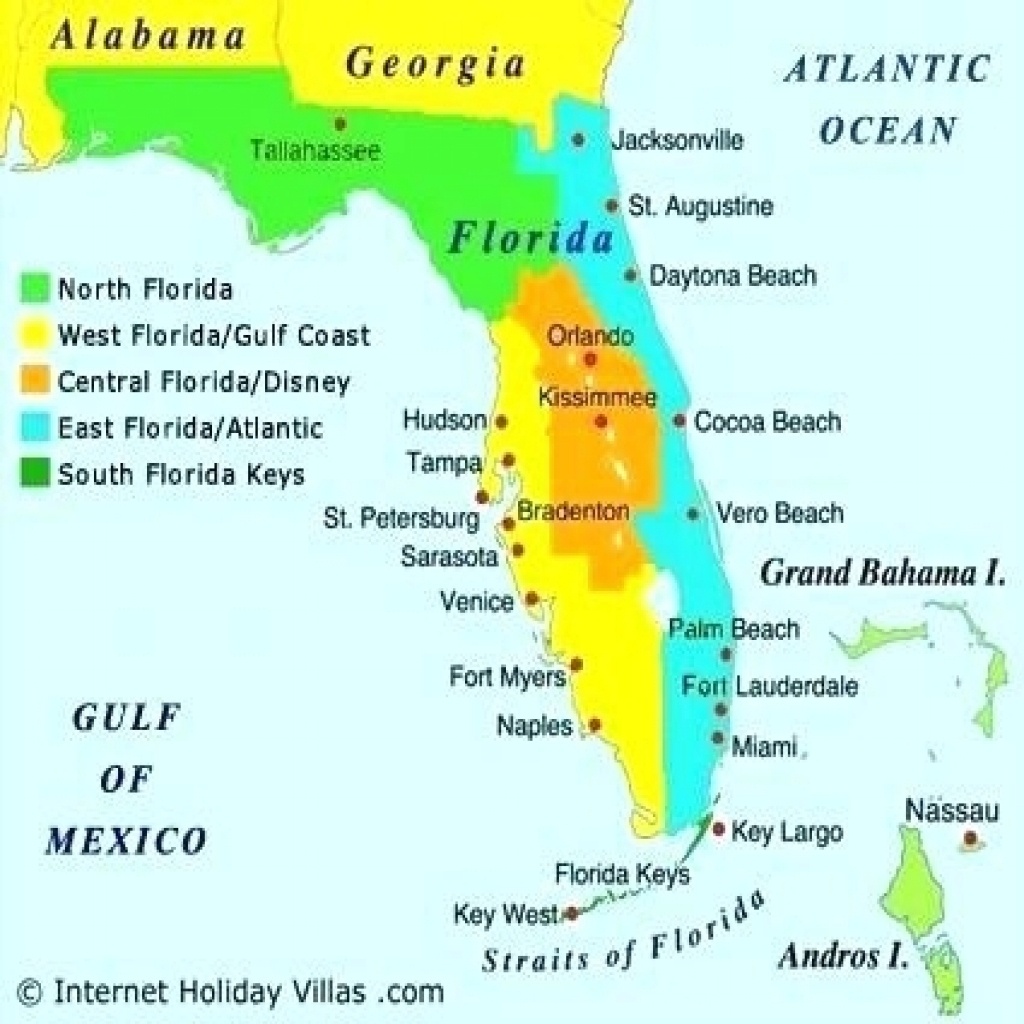
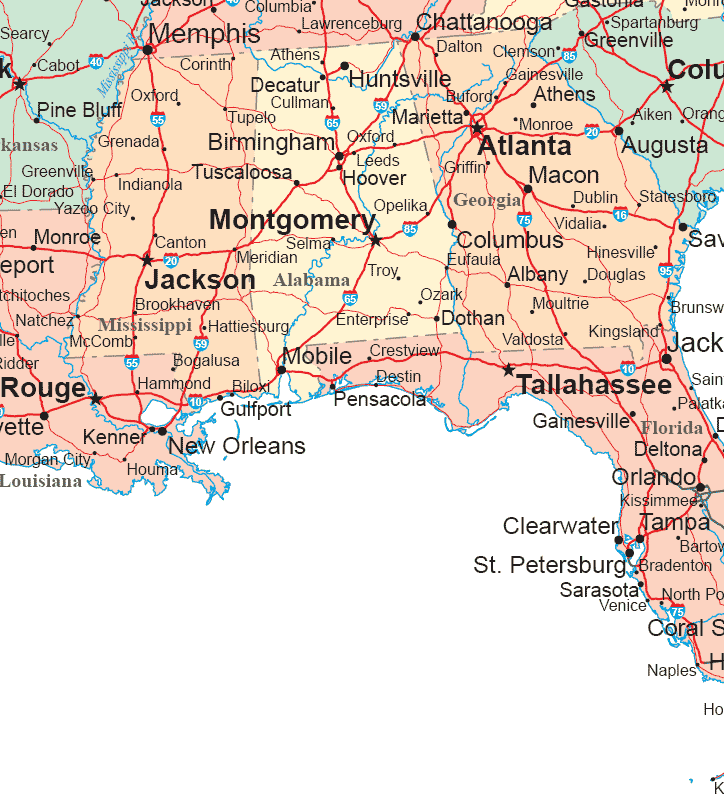
In the evolving tapestry of regional geography and economic growth, the Florida Alabama map reveals a compelling crossroads where Southern traditions meet modern opportunity. Though separated by less than a hundred miles of borderland, the two states share deep cultural roots, interconnected infrastructure, and a dynamic interplay of agriculture, tourism, and emerging technology. Using this map not only visualizes geography but also underscores how Florida and Alabama collaborate across shared watersheds, transportation networks, and workforce development—all while preserving the distinct identities of both states.
The Florida-Alabama border spans approximately 187 miles, stretching from the eastern panhandle near the contested Florida panhandle fringe to the western edge near the Tombigbee River basin. Though small in length, this boundary carves through some of the most agriculturally productive and ecologically diverse terrain in the southeastern U.S.
Comprising rolling hills, fertile river valleys, and coastal margins in Florida’s southernmost counties, the landscape gradually transitions into Alabama’s mix of challenges:** - The Apalachicola-Chattahoochee-Flint (ACF) River Basin, a shared water resource critical for agriculture, drinking water, and ecosystems, underscores the necessity of interstate cooperation.
- Interstate 10 cuts through both states, serving as a vital artery for commerce linking the Gulf Coast to northern industrial hubs.
- Rural communities in both states rely on interconnected healthcare, education, and transportation systems, often blurring administrative lines.
At the heart of regional planning lies the Florida Alabama map, a potent tool illustrating not just lines on a grid, but the web of human and natural systems that bind these states together.
From shared aquifers feeding cotton farms and timber operations to seasonal labor mobility along agricultural corridors, economic interdependence runs deep.
Florida’s citrus industry, though concentrated farther south, relies on Alabama’s logistics network for export routes. Conversely, Alabama’s Birmingham and Montgomery metropolitan areas draw skilled workers and tourists from Florida’s Panhandle and Gulf Coast regions, where retirement and coastal recreation dominate local economies.
Interstate infrastructure projects further cement this regional synergy.
The recent upgrades to U.S.
Route 29 and ongoing discussions about expanding rail capacity between Columbus, Georgia (proximate to Alabama) and Panama City (Florida) reflect strategic investments designed to boost freight efficiency and passenger mobility.
These developments acknowledge that in today’s economy, geographic separation holds less weight than connectivity. GPS-enabled mapping tools amplify this shift—agribusinesses, contractors, and emergency services now share real-time spatial


Related Post

Who Is Lena The Plug? The Rising Tech Icon Shaping Digital Spaces

🔍 Inside Oklahoma’s Capital Zip Code: Decoding Oklahoma City’s Spatial Identity

Big 12 Map: The Geospatial Pulse of Collegiate Football Power across the Heartland

When Boiling Becomes a Scientific Threshold: Why 100°C Is the Kelvin Tipping Point


