Unlock Seamless File Access: Startup Folder For All Users in Windows 10
Unlock Seamless File Access: Startup Folder For All Users in Windows 10
For Windows 10 users struggling with inconsistent folder layouts and manual file navigation, Startup Folder For All Users emerges as a transformative solution—automatically placing every user’s primary files into a centralized, instantly accessible location at startup. Designed to eliminate configuration drag and file organization headaches, this setup doesn’t just improve workflow—it redefines how accessibility and personalization work across home and enterprise desktops. Whether for solo users, shared family desktops, or business environments, this tool streamlines access to critical documents, apps, and settings without requiring advanced technical expertise.
The Startup Folder for all users functionality leverages built-in Windows capabilities to create a persistent, user-specific folder at `C:\Users\
Elena Rostova. “No more hunting through dozens of folders—everything needed pulls up instantly on boot.”
**Why This Setup Matters: Key Benefits for Every User** Unlike default startup behavior, which varies by user or system profile, the Startup Folder For All Users standardizes file placement regardless of individual settings. This uniformity benefits: - **Families sharing one PC** — each member accesses their personal files without adjustment.
- **Remote workers** — consistent layout across machines boosts productivity with minimal friction. - **Educators and students** — streamlined access accelerates daily workflows in cloud-integrated environments. - **Enterprises** — simplifies deployment of standardized desktop environments, reducing IT onboarding time.
As software architectures increasingly rely on reliable user context, this folder becomes a quiet but powerful enabler of smoother digital experiences.
**How to Set Up the Startup Folder For All Users in Windows 10** The implementation is deceptively simple and requires no third-party tools. Follow these precise, reliable steps: 1.
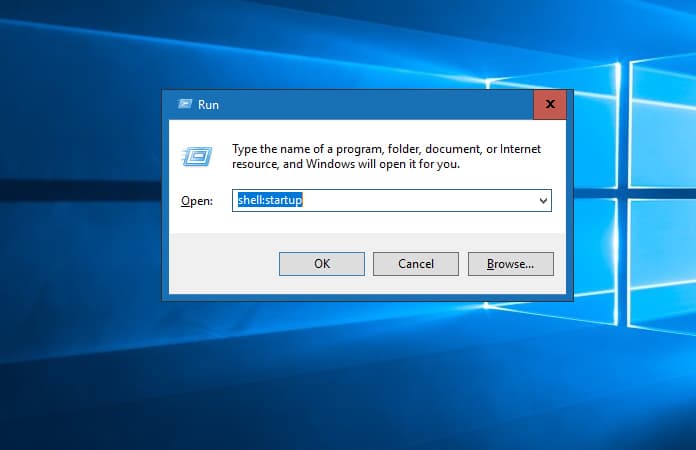
**Identify User Context** Confirm you’re using Windows 10 (startup folder behavior varies in later OSes). Open Command Prompt as Administrator to verify current startup paths using `echo %APPDATA%` and `echo %LOCALAPPDATA%`. 2.
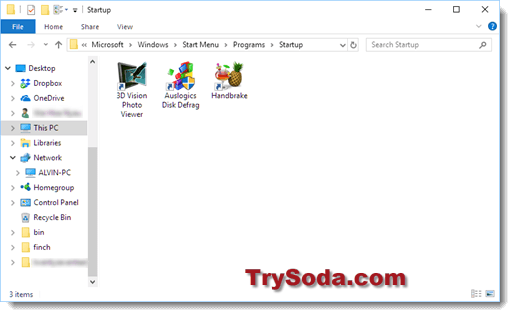
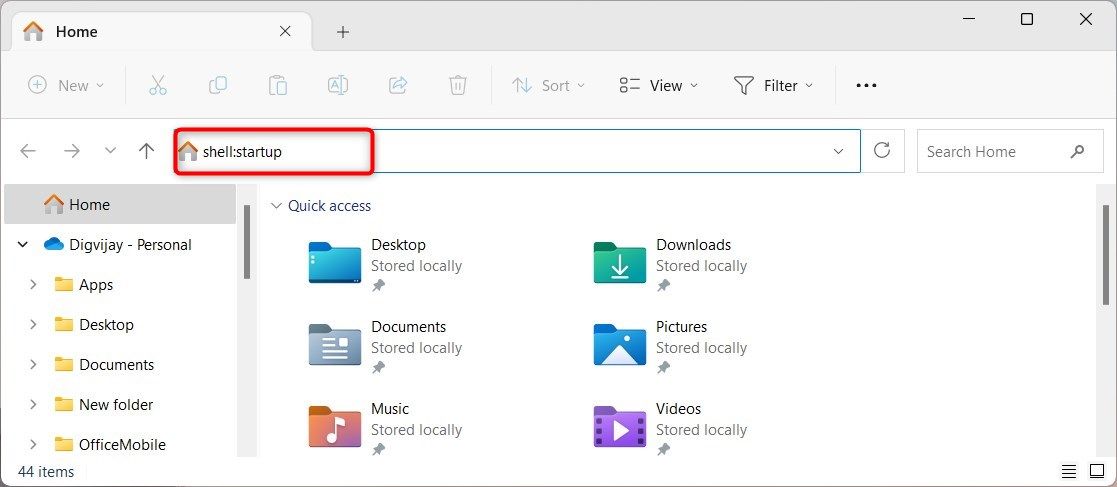
**Locate the AppData\Local Startup Directory** Navigate to `C:\Users\
**Create the Shared Folder Structure** Create a text or shortcut folder named `AllUsers` (or retain the

Related Post

Trudie Styler’s Cosmetic Surgery Dream: A 1980s Journey Through Glamour and Ambition

Inside the Chains: How Jail Roster Kitsap Powers Public Safety and Criminal Justice Accountability

Majo Wa Kekkyoku Sono Kyaku To: The Mago-Wave Revolution Redefining Magical Shonen Through Groundbreaking Storytelling

September 2024: How Emerging Trends and Seasonal Rhythms Are Shaping Global Progress